ByteDance Launches Seedream 5.0 Pro: One Image Splits Into a Dozen Separate Layers, Dense Charts and Real Scenes Generated in a Single Pass
- ByteDance's Seed team releases Seedream 5.0 Pro, a multimodal image creation model, now live in the Volcano Ark experience center and rolling out to Doubao and Jimeng.
- New complex information visualization: a single image blends timelines, charts, dense text and real photos, generating a laid-out, professional infographic in one pass.
- Built on spatial-position (Grounding) and regional semantic understanding, it supports precise edits — click, circle, sketch rendering, color and material swaps, multi-image fusion — and can split a whole image into more than ten separately editable layers.
- Sharper reproduction of real-world light, materials and skin texture, capable of both cinematic portraits and photorealistic AAA game characters.
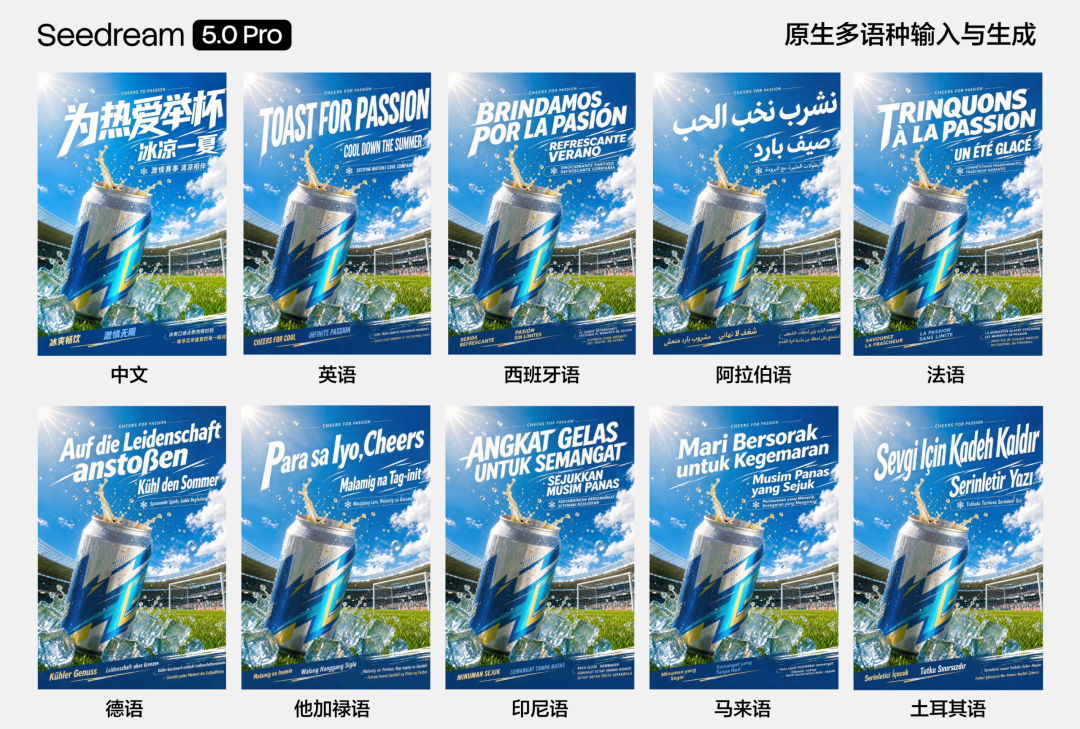
- Native input and generation in over ten languages — Chinese, English, French, German, Russian, Japanese, Korean, Spanish, Arabic and more — correctly rendering right-to-left Arabic script, Spanish accent marks and other typographic details.
Not Just "Drawing" — It Understands "Layout"
ByteDance's Seed team today (July 8) officially released Seedream 5.0 Pro, a multimodal image creation model, now live in the Volcano Ark experience center and rolling out next to Doubao and Jimeng.
Compared with the last generation, it upgrades the foundational abilities across the board — image-text matching, sound structure, text rendering and visual appeal — while bringing four new directions: laying complex information into professional formats, precise editing via click-and-circle, reproducing real light and texture, and native support for over ten languages.
Where to try it: Volcano Ark experience center · Vision Models · Image Generation · Doubao-Seedream-5.0-pro; Doubao app or desktop · AI Creation · Image Generation · pick Seedream 5.0 Pro; Jimeng web · Image Generation or Agent mode · pick 5.0 Pro. Project homepage: seed.bytedance.com/seedream5_0_pro.
One Image Fits a Timeline, Charts and Real Photos
In professional settings, an image is often not decoration but the information itself. An infographic has to get data, dense text, layout structure and aesthetics all right in a single pass — the focus this upgrade set out to polish. Seedream 5.0 Pro first reads the user's intent, works out the logic and layout on its own, then arranges the content into the frame.
It can blend a timeline, line chart, bar chart, pie chart and a real-scene shot into the same image, keeping the information hierarchy clear and the visual metaphors aligned — showing spatial command over a whole block of data. The "Antarctic Research Station" infographic below was generated in a single pass.
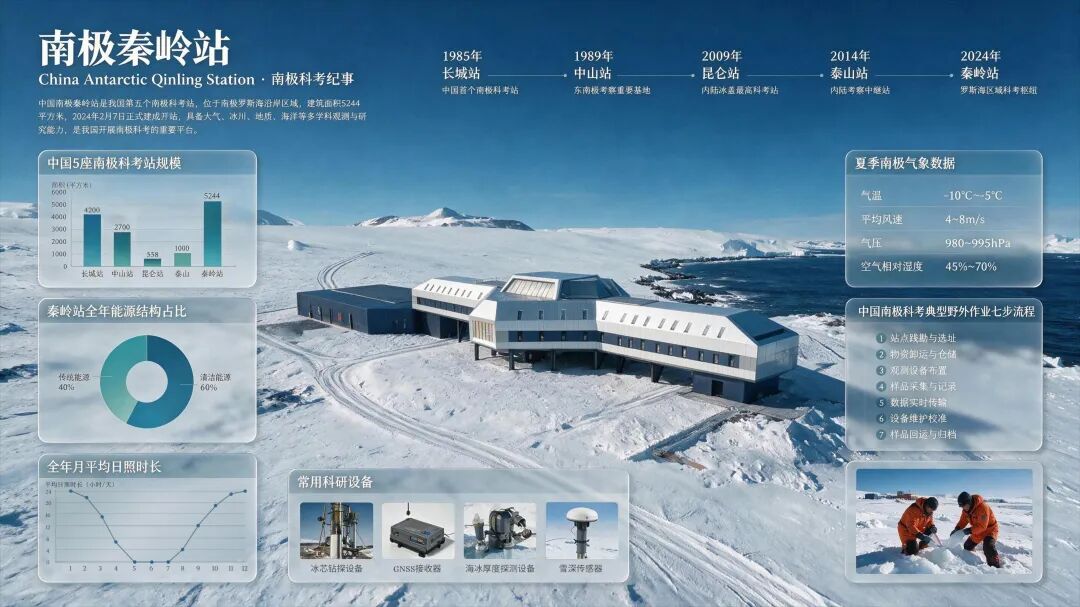
主题为南极秦岭站科考纪事可视化信息图,中心放置秦岭站建筑主体;四周环绕排布科考发展时间轴、五座科考站规模柱状图、站点能源饼图、月度日照折线图,辅以科研设备实拍、夏季气象面板、野外作业七步流程、实地采样摄影,多方面展示中国南极科考实景。
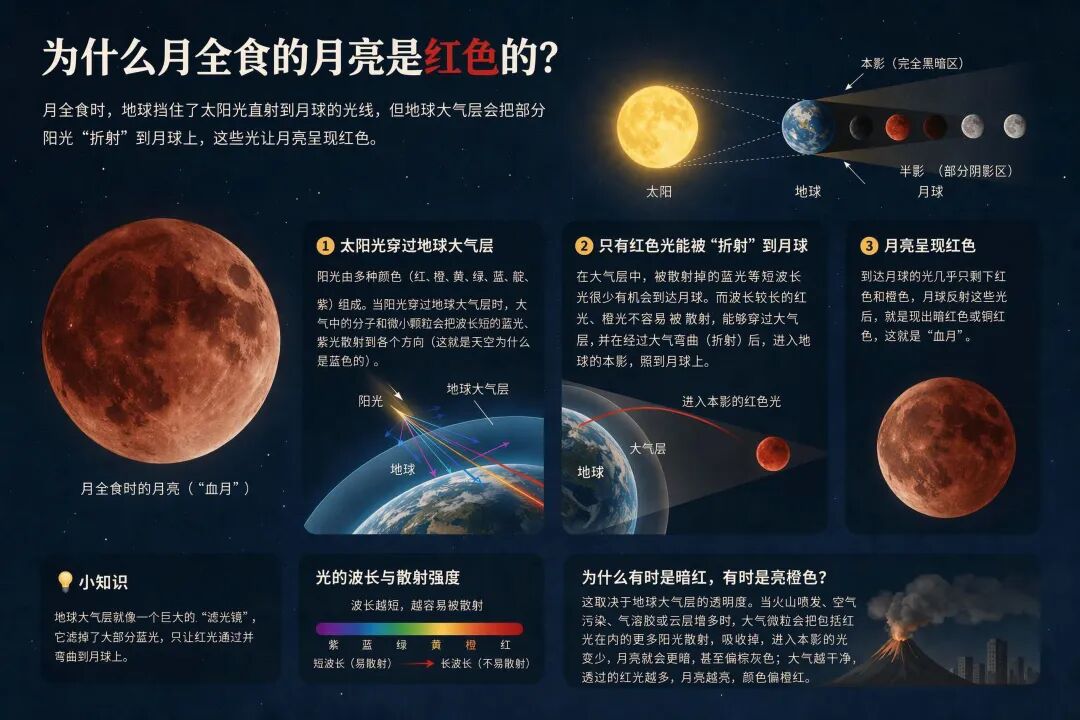
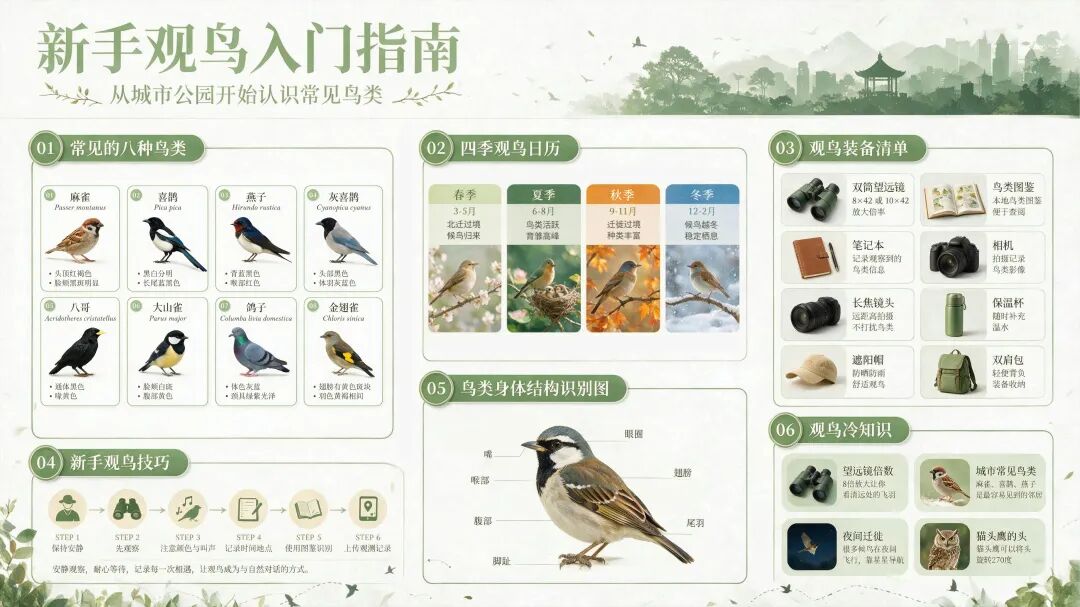
Education and science-popularization use cases demand higher factual accuracy. The model can draw a diagram of "why the moon turns red during a total lunar eclipse," and can also extract the distinguishing features of different birds and arrange them into a tidy grid layout.
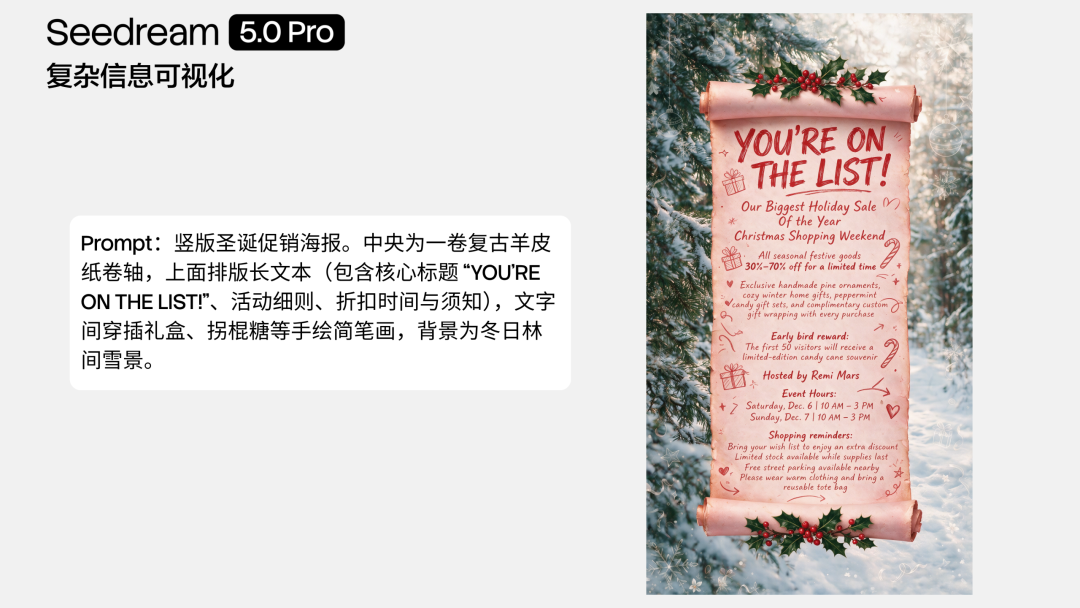
Faced with a multi-level wall of dense text like a "Winter Christmas Sale Poster" — headline, discount fine print, event dates — the model spreads the content across a retro scroll: a heavy load of English spelled correctly, with bold and handwritten styles woven in by priority.
In a "Pet E-commerce Hero Screen" UI, the model shows an understanding of spatial topology: it generates a clear nav bar and floating cards, and pulls off cross-layer interaction — a golden retriever's front paws break through the right-side image boundary and actually press the button on the left. It's ready to use as a product prototype.
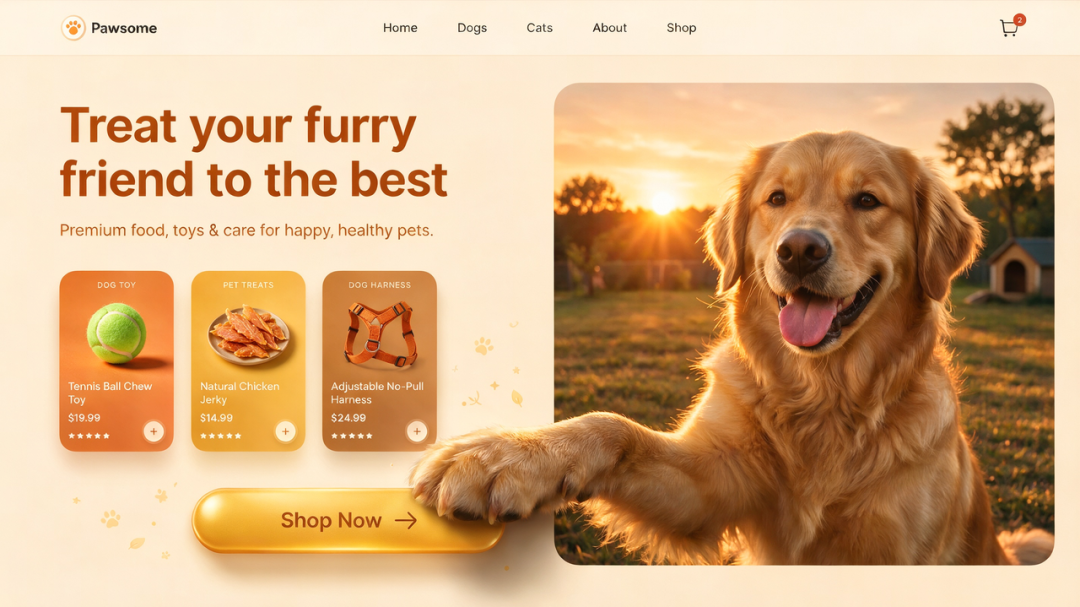
16:9 宠物电商首屏 UI,日落暖阳色调,分层阴影。顶部导航;左侧奶油米色背景,含文案、商品卡片、金黄胶囊按钮;右侧金毛图,3D 特效:金毛前爪冲破右框,搭在左侧按钮上。
Text Can't Pin Down "Where to Edit" — The Model Now Reads Coordinates
Plain-text prompts have a built-in limit: language is good at saying "what to generate," but struggles to pinpoint "which patch to change." Design usually takes repeated fine-tuning, and there a one-line description isn't enough. Seedream 5.0 Pro brings control signals natively into the generation process — the key is its understanding of spatial position (Grounding) and regional semantics.
It's like giving the image a coordinate map: the model knows exactly where every object, block of text and patch of whitespace sits. Circle a patch and it changes only that patch, without disturbing what's next to it. It knows both "where to edit" and "what this patch is."
Circle It, Click It — Coordinates Become Exact Edit Commands
With spatial awareness, the model can turn the coordinate signals you send by clicking, circling, boxing or scribbling into deterministic local edit commands. After a recolor, material swap, or adding and removing objects, the patch and the surrounding scene blend naturally and the perspective still holds.
Locate precisely first, then edit. Designers no longer need to redraw the whole image for every tweak — they can make frequent local fixes to a work in progress. Ordinary users can circle and click by instinct and still build a high-quality image.
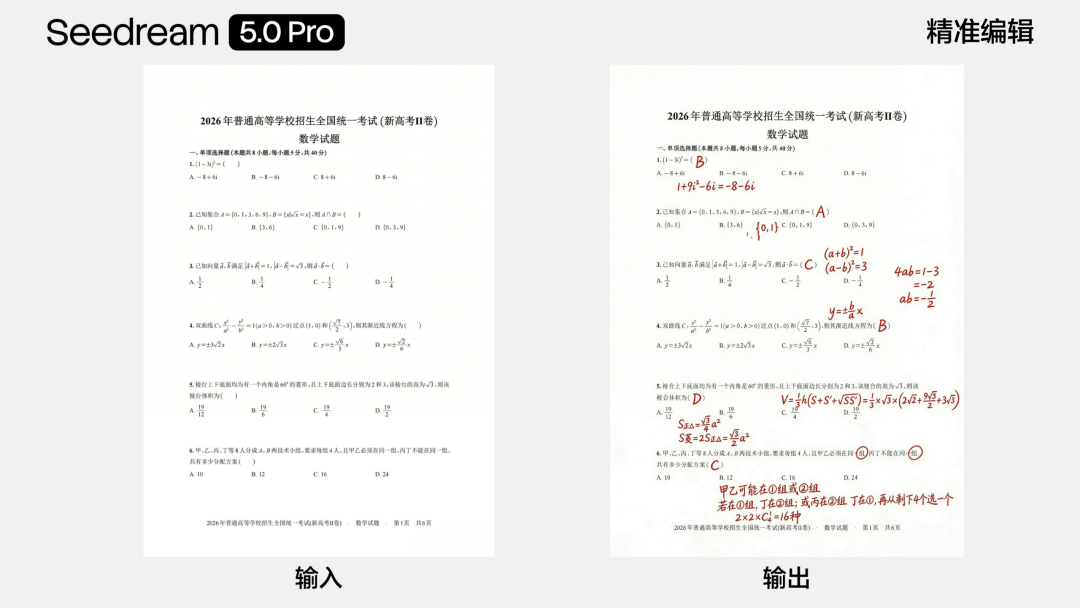
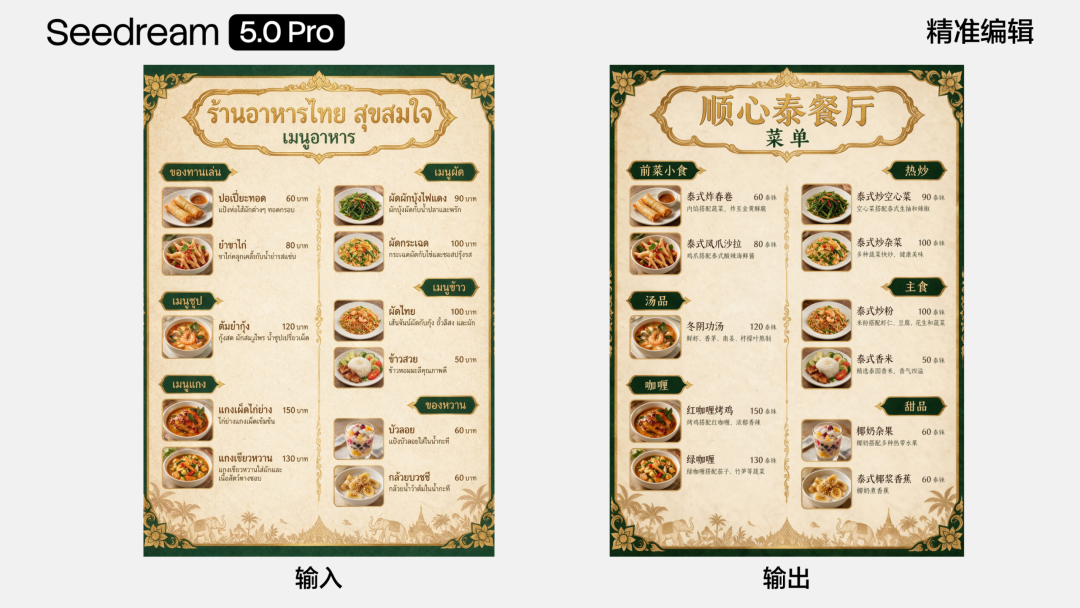
First, its grasp of position. In "2026 New Gaokao Math Exam Answers," the model accurately identifies each question, locks onto the whitespace below it to work through the math, and fills answers into the matching answer slots. When translating an overseas menu into Chinese, it also keeps the layout positions one-to-one.
Recolor, Re-texture, Generate by Region
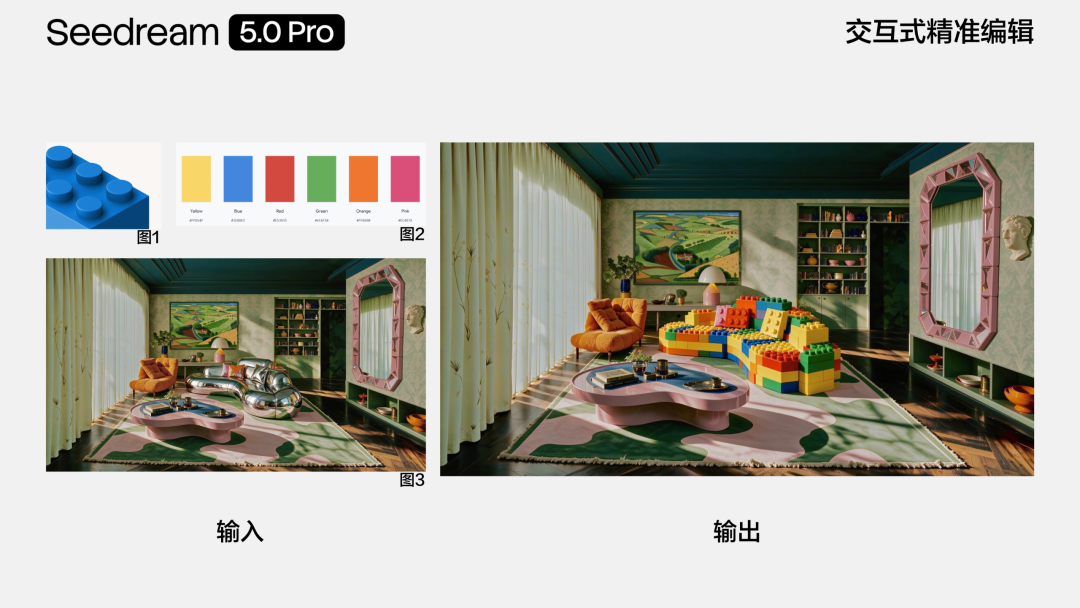
For object edits, the model supports color editing and material replacement — you can enter Hex swatch values or reference an external color card directly. The image below swaps out the sofa in a third image using the material from one image and the color card from another.
It also has strong regional isolation. The user marks positions with differently colored boxes, and the model generates the specified item for each: a blue furry monster gazing at bubbles inside the red box, a grass-green blanket inside the purple box — each element split by coordinates, none interfering with the others.
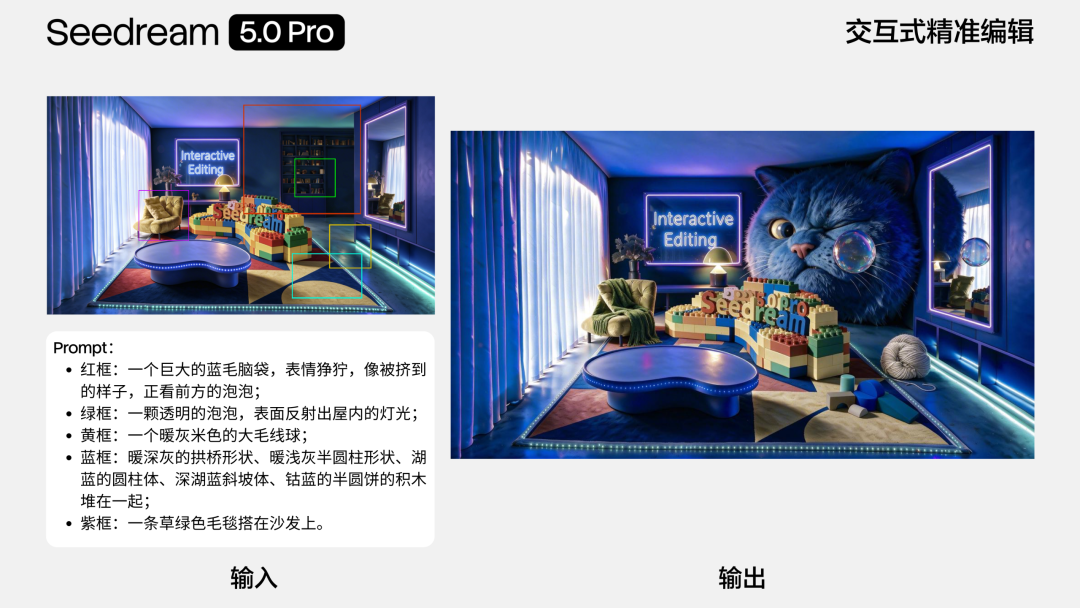
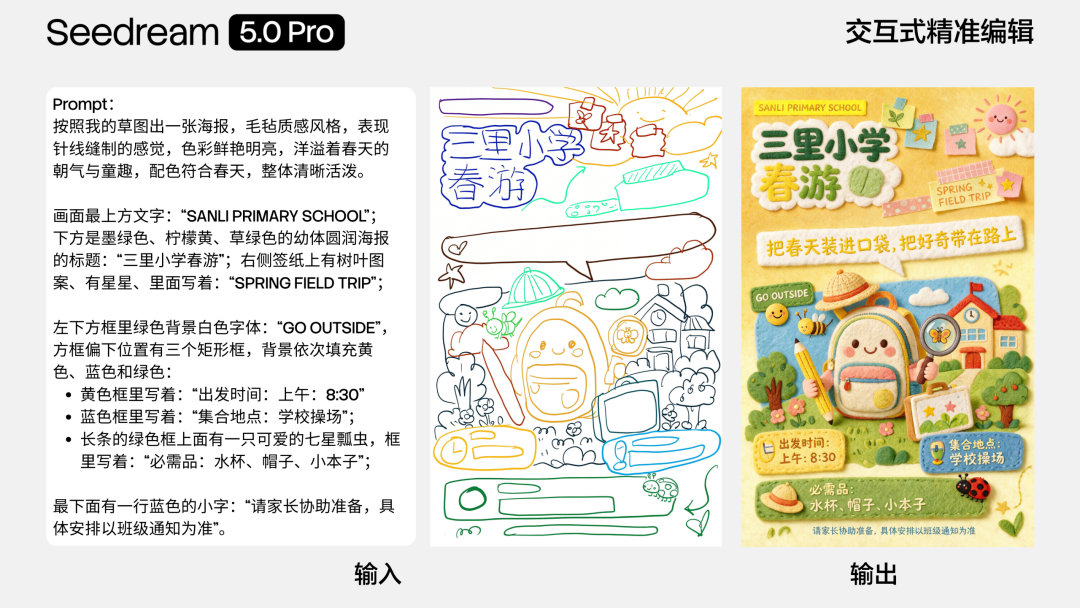
Sketch Rendering: A Casual Doodle as a Control Signal
A user's off-hand color blocks, lines or stick figures can drive fine rendering directly. In the "Sanli Elementary Spring Outing Poster," a single roughly laid-out sketch is enough — the model reads the intent of each region, reproduces felt material and stitch texture, and drops text like departure time and packing list accurately into the spots the sketch marked.
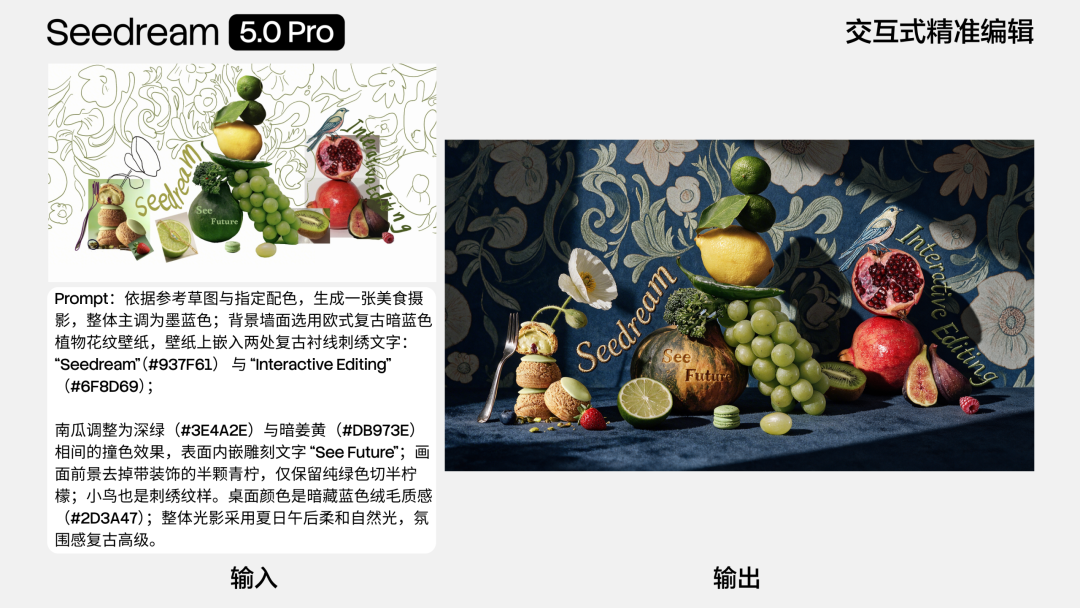
Any Combination of Edits
These abilities also stack. In the image below, the user asks to recolor the pumpkin into alternating dark green (#3E4A2E) and ginger yellow (#DB973E), while changing the background font to an embroidered texture. The model completes the material swap and color edit at once, and the edited patch merges into the summer-afternoon ambient light.
One Poster Splits Into a Dozen Layers — and the Subject Can Be Swapped Whole
This is one of the most distinctive abilities of the upgrade. With a single line of text, Seedream 5.0 Pro can split a finished image into a set of independent layers, outputting design assets ready for further editing.
A poster can be split into text, subject, background, ambient decor and more — over ten independent layers. The background hidden behind the subject is automatically filled back in; every layer keeps its transparency and can be freely dragged and scaled, and the core subject can even be swapped whole for a new element.
In the demo below, a parrot poster is split into more than ten layers, the background once hidden by the parrot is filled back in, and finally the creator swaps the subject parrot straight for a peacock.
The reverse works too — the model can do multi-image fusion. Feed it several reference materials and one target base image, and it will splice the different elements into the same scene per your instructions, well suited to early visual collage and creative exploration.
Light, Material, Skin Texture — Making the Image Look Like a Photograph
Seedream 5.0 Pro sharpens its understanding of real-world light, object materials and skin texture, improving both the CG look and the photographic feel. The realism comes from accurately reproducing three things: light, objects and people.
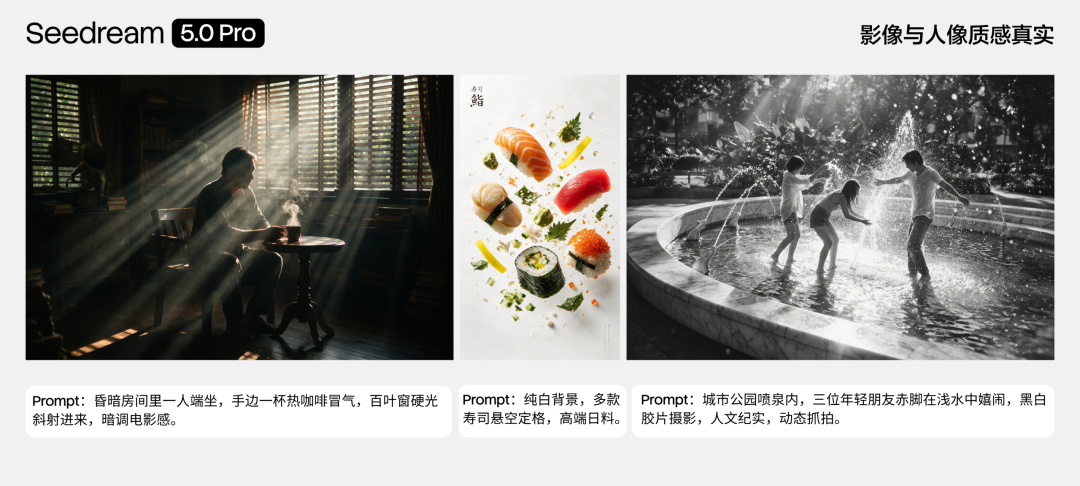
On light, the model captures the micro-dynamics of high-frequency detail: the "god rays" streaming through blinds in a dim room, rice grains and fish roe airborne in a sushi poster, splashing water on black-and-white film — all frozen in place.
On material, the model handles reflection, refraction and light transmission by real physical rules. In the storefront window on the left below, the retro poster on the glass keeps its printed halftone texture, with poster, street scene and glass reflection interweaving across three real-and-virtual planes; the "Cliffside Glass Villa by the Sea" on the right blends metal, glass, stone, seawater and raw wood, softly transitioning the multiple reflections of warm indoor light, the sunset and the sea.
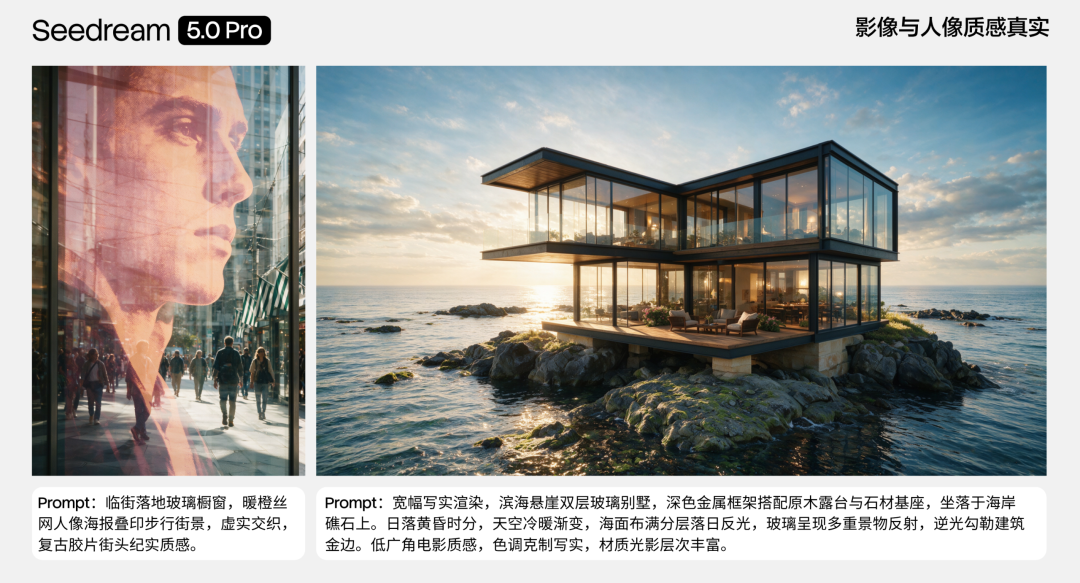
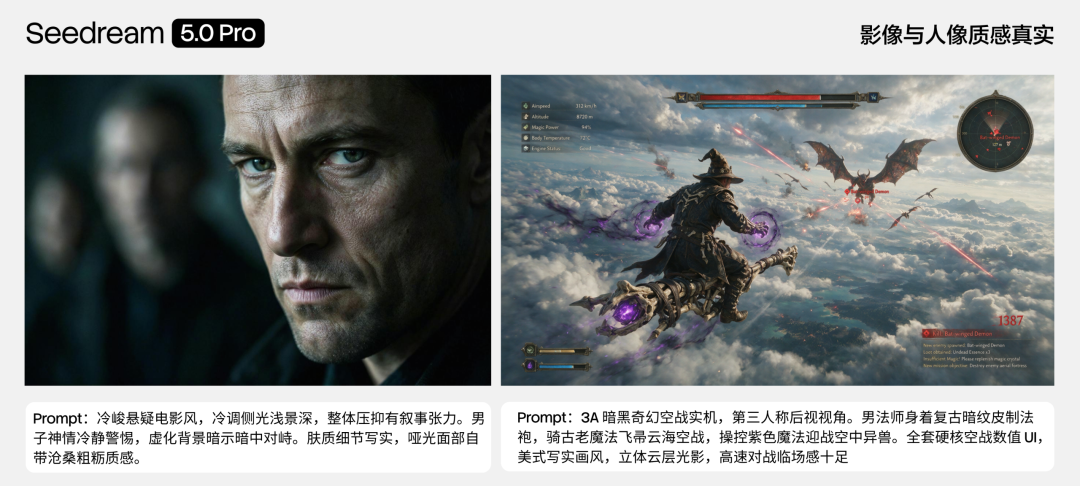
On portraits, the model finely reproduces skin texture — facial lines and coarse skin have depth, and matte facial light transitions softly. Beyond live-action cinematic portraits, it can also render photorealistic characters for AAA games (big-studio, high-budget, near-photoreal blockbuster titles), with clothing, body and ambient light in harmony.
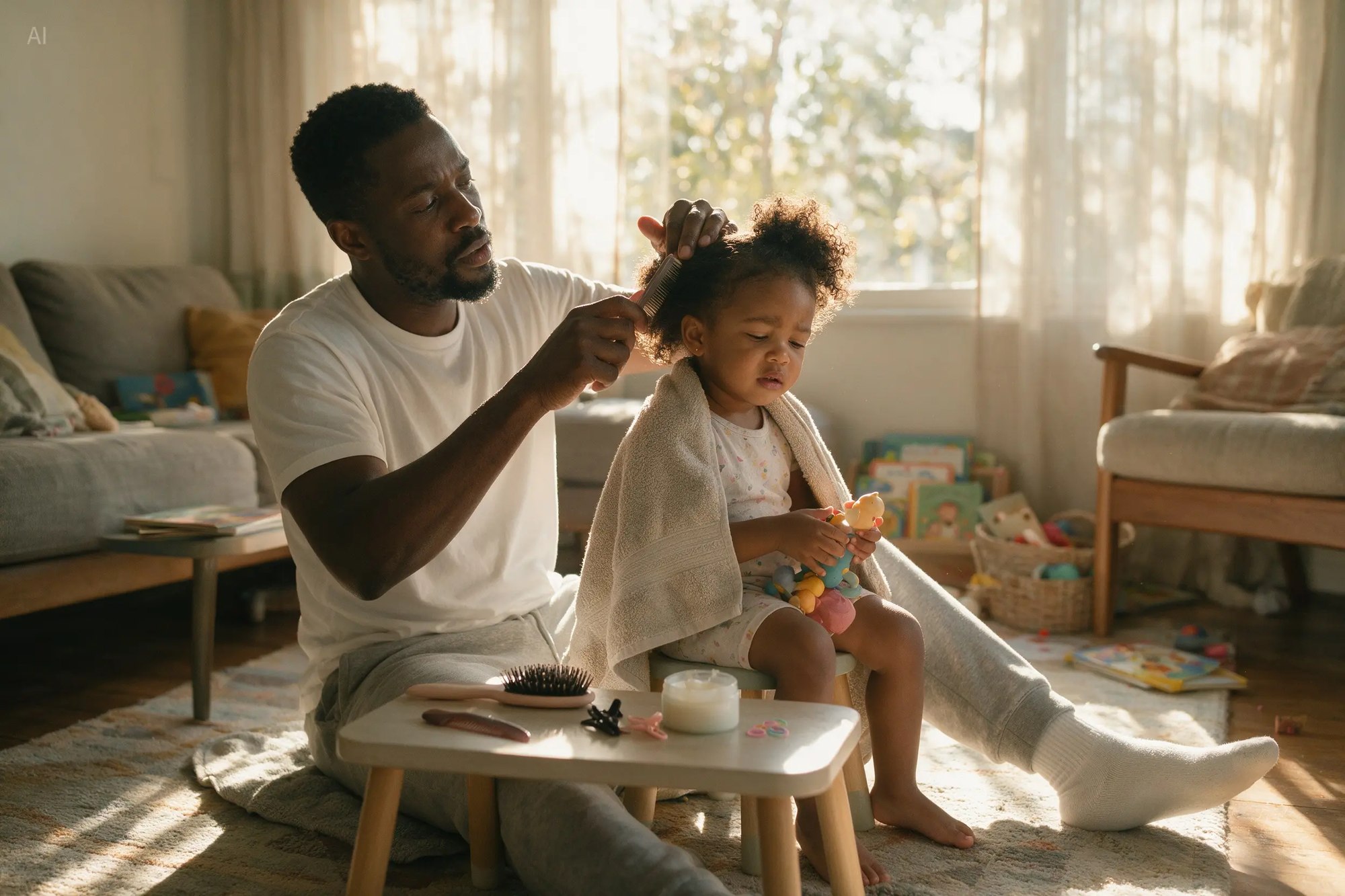
Beyond stills, the model supports advanced photographic techniques. In a panning shot, the rider and bike frame stay sharp, the background street pulls into horizontal motion blur, and the wheel spokes spin into a blur — reproducing the dual motion of the camera tracking sideways and the wheels spinning fast.

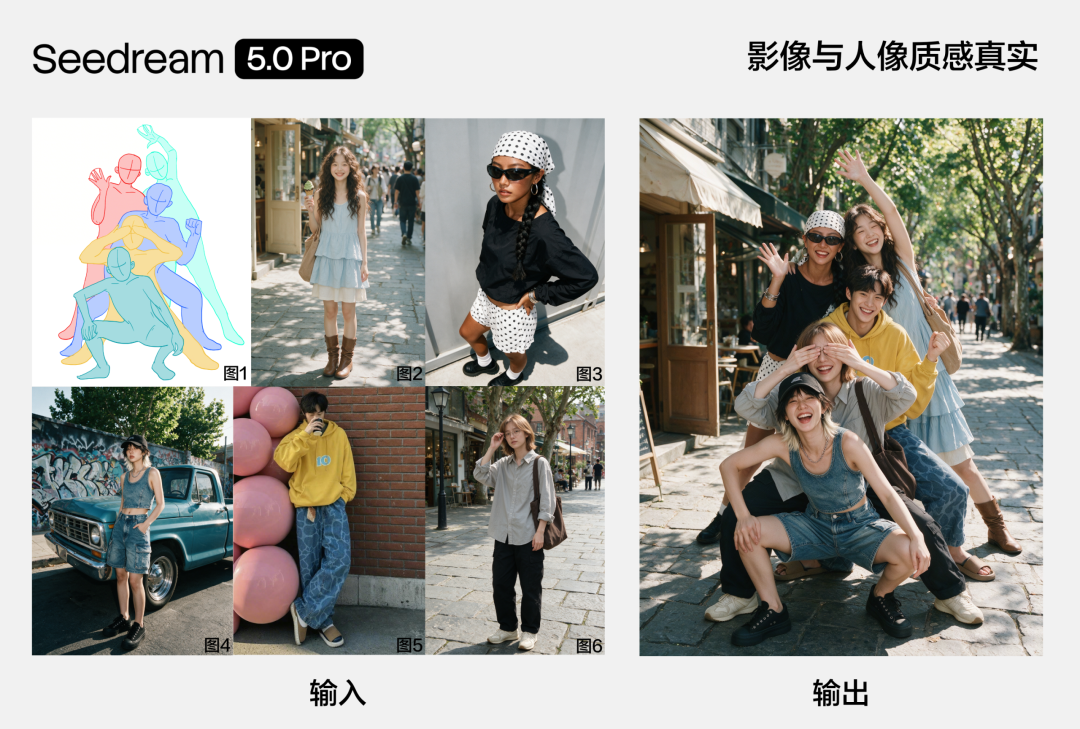
Multi-image compositing extends this control further. Feed it several separate portrait photos, and the model can extract each face's features and combine them into one scene at the specified positions, generating a group photo with unified light and coherent texture.
Over Ten Languages Input Directly — Even Connected Arabic Script Comes Out Right
Global creation isn't just translating the words across — it also has to convey the regional culture and visual traits of different markets. Beyond Chinese and English, Seedream 5.0 Pro natively supports direct input and generation in over ten common languages, including French, German, Russian, Japanese, Korean, Spanish and Arabic.
When you give instructions in different languages, the model not only reads the meaning but also matches the architecture, faces and clothing details of the corresponding cultural context, making the image fit the local atmosphere.
On text rendering, the model auto-adapts to each language's typographic rules. Even in the same visual layout, it can render standard Chinese and English, handle right-to-left connected Arabic script, and reproduce Spanish accent marks (like PASIÓN).
Breaking the typographic rules of three languages apart makes the differences between how one word is written across writing systems easy to see:
(The above is an illustration of typographic rules, to help understand each language's writing direction and mark differences.)
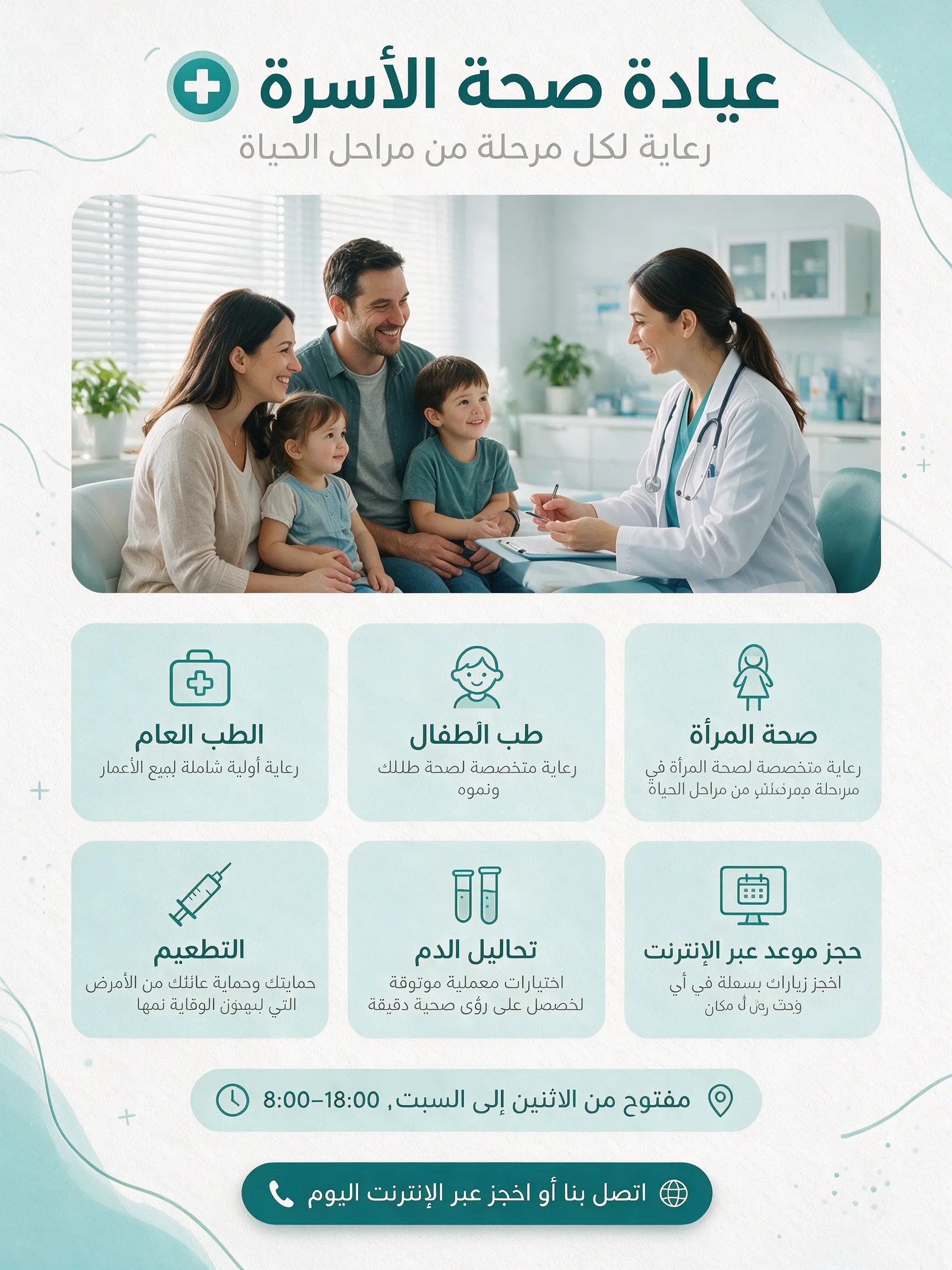
In real cases, the official project homepage offers two more vivid samples: one is an Arabic medical-app interface, the whole screen of text set right to left with icon positions mirrored to match; the other is a Spanish "Day of the Dead" poster, its decorative patterns and layout tuned to the local festival's visual conventions — not just an English template with a translation slapped on.

What Creators Can Actually Use These Abilities For
Per the team, this upgrade comes mainly from the model's underlying progress in spatial-structure perception, high-density text rendering and multilingual understanding. In professional production, each ability maps to a place it saves effort.
High-density content like infographics and posters can be generated with professional layout in one pass, sparing designers the from-zero layout time; local editing via click-and-circle plus smart layer splitting lets designers make frequent tweaks to a work in progress without redrawing the whole image; and native generation in over ten languages supports cross-market localized visual output, without redesigning the image per language.
The team also spelled out the current limits: it has made progress on complex infographic generation and interactive precise editing, but finer-grained text rendering and pixel-level edit preservation still have room to improve.
The Project Homepage Hangs a Whole Wall of Cases, With Far More Range Than This Piece
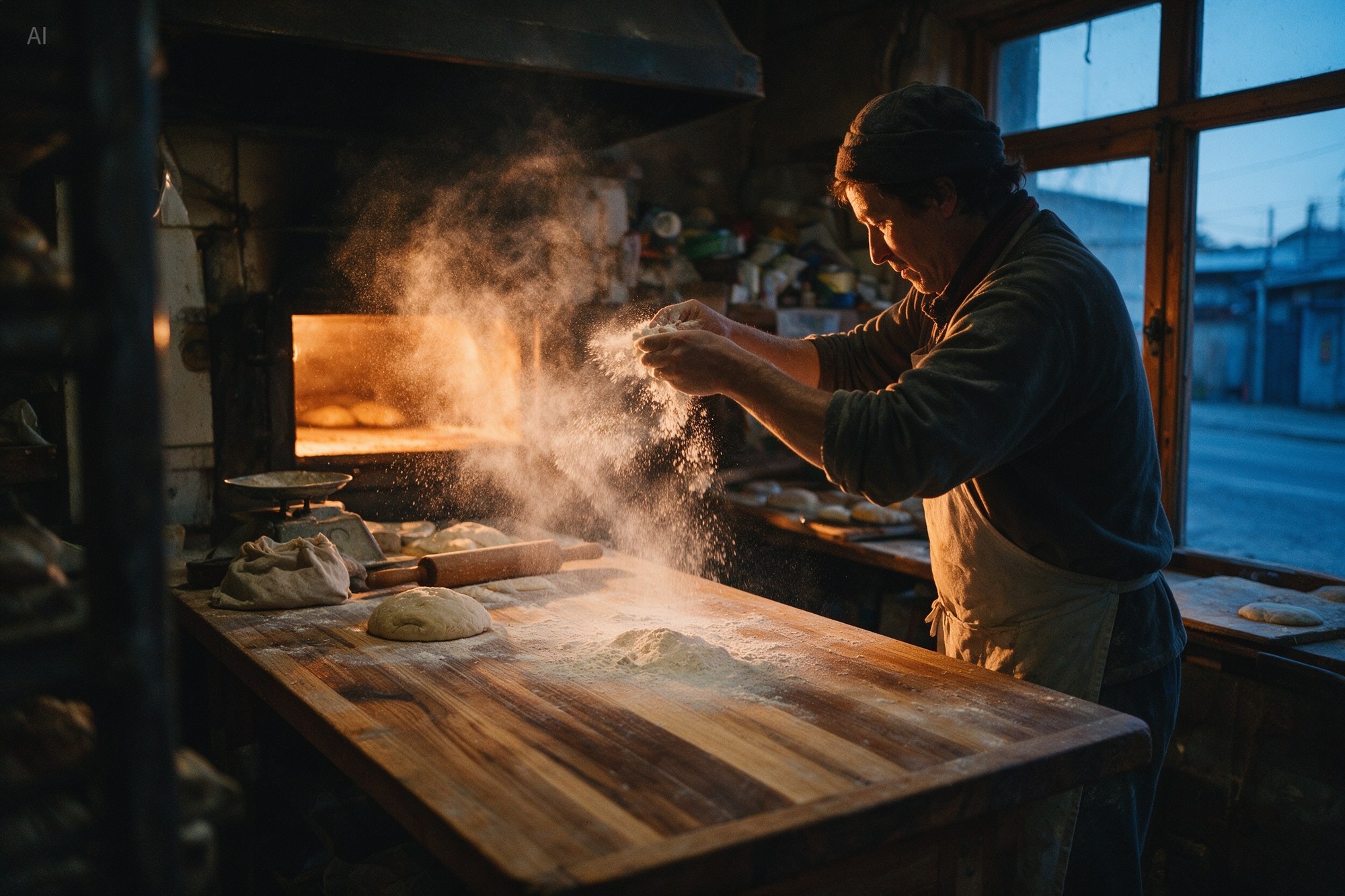
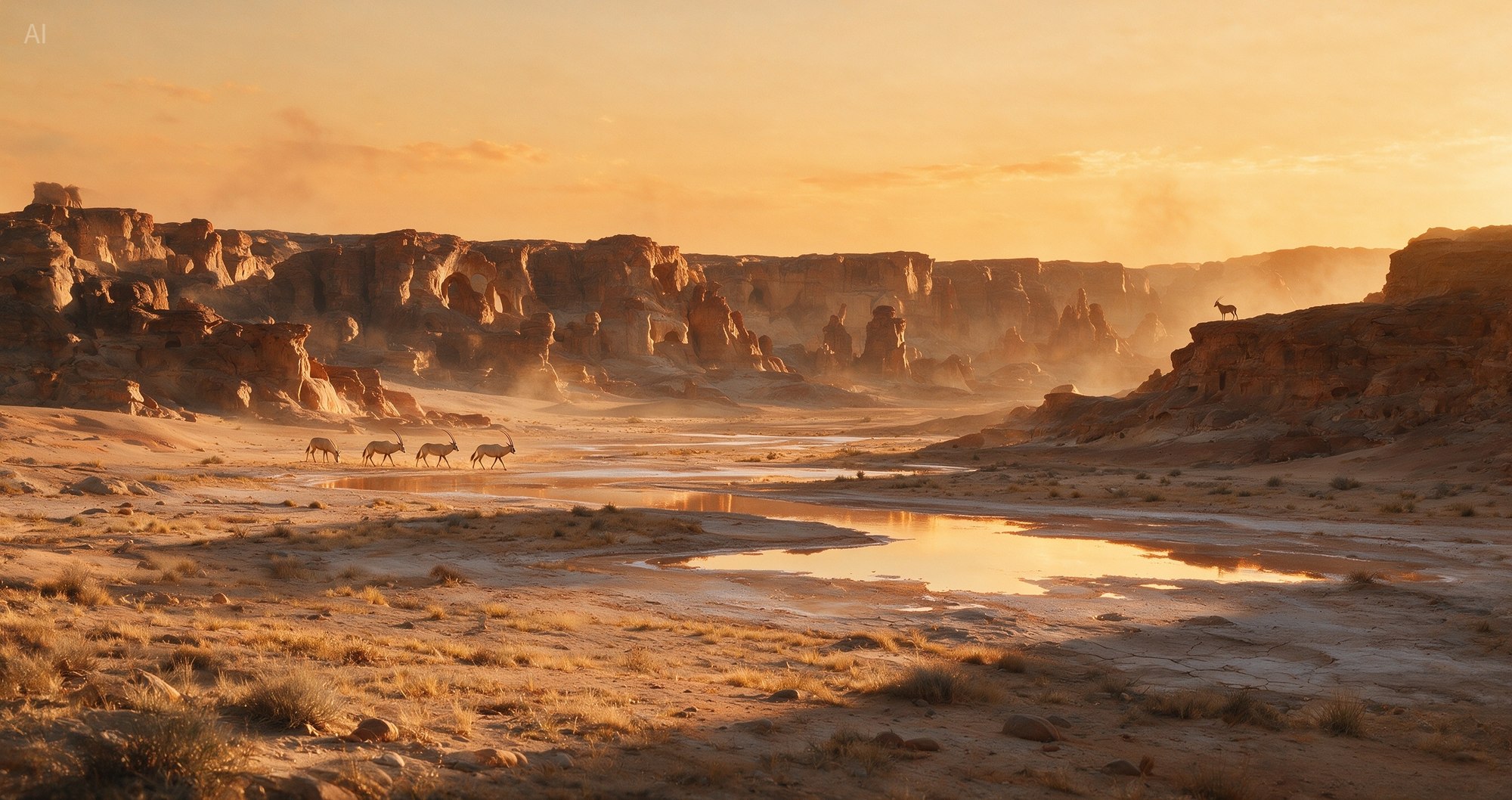
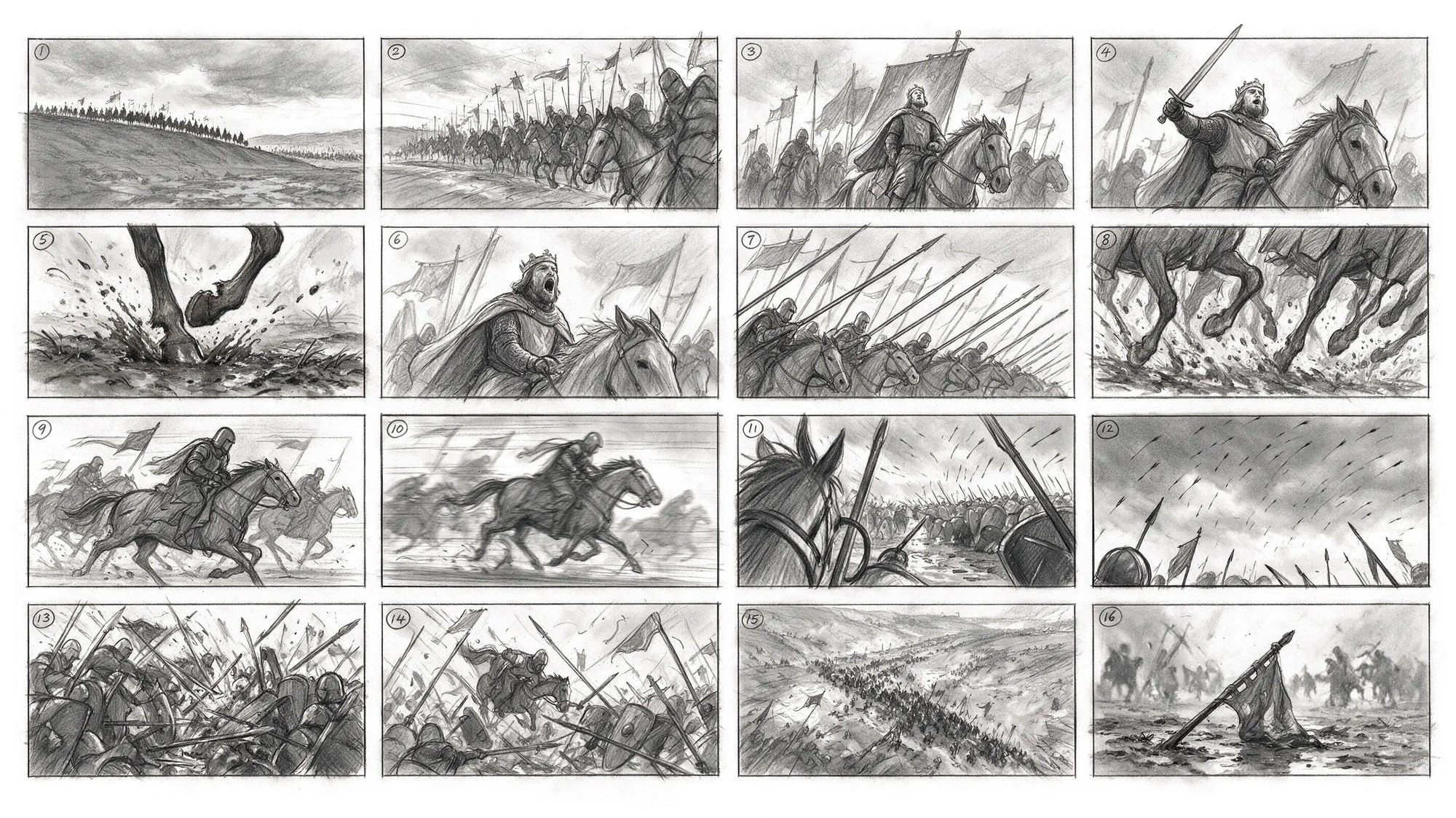
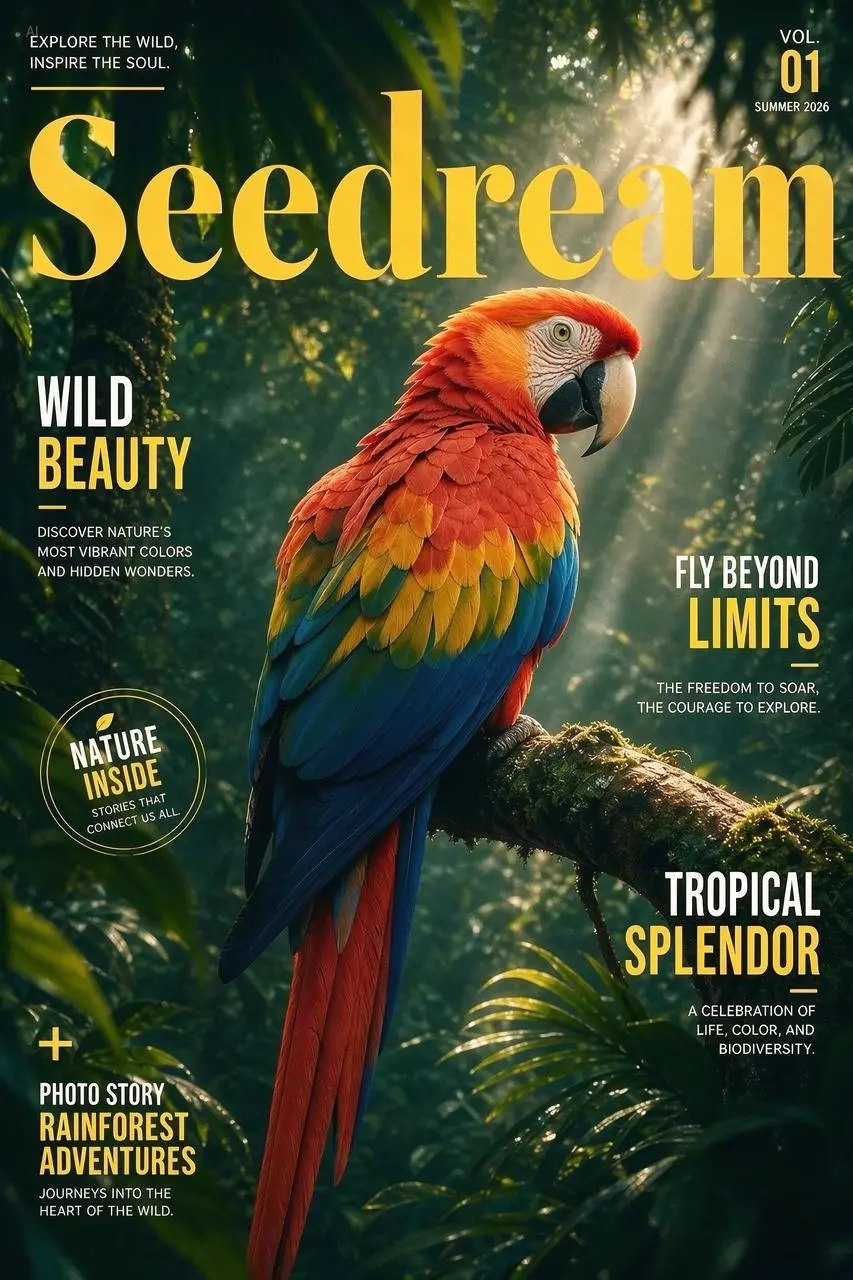
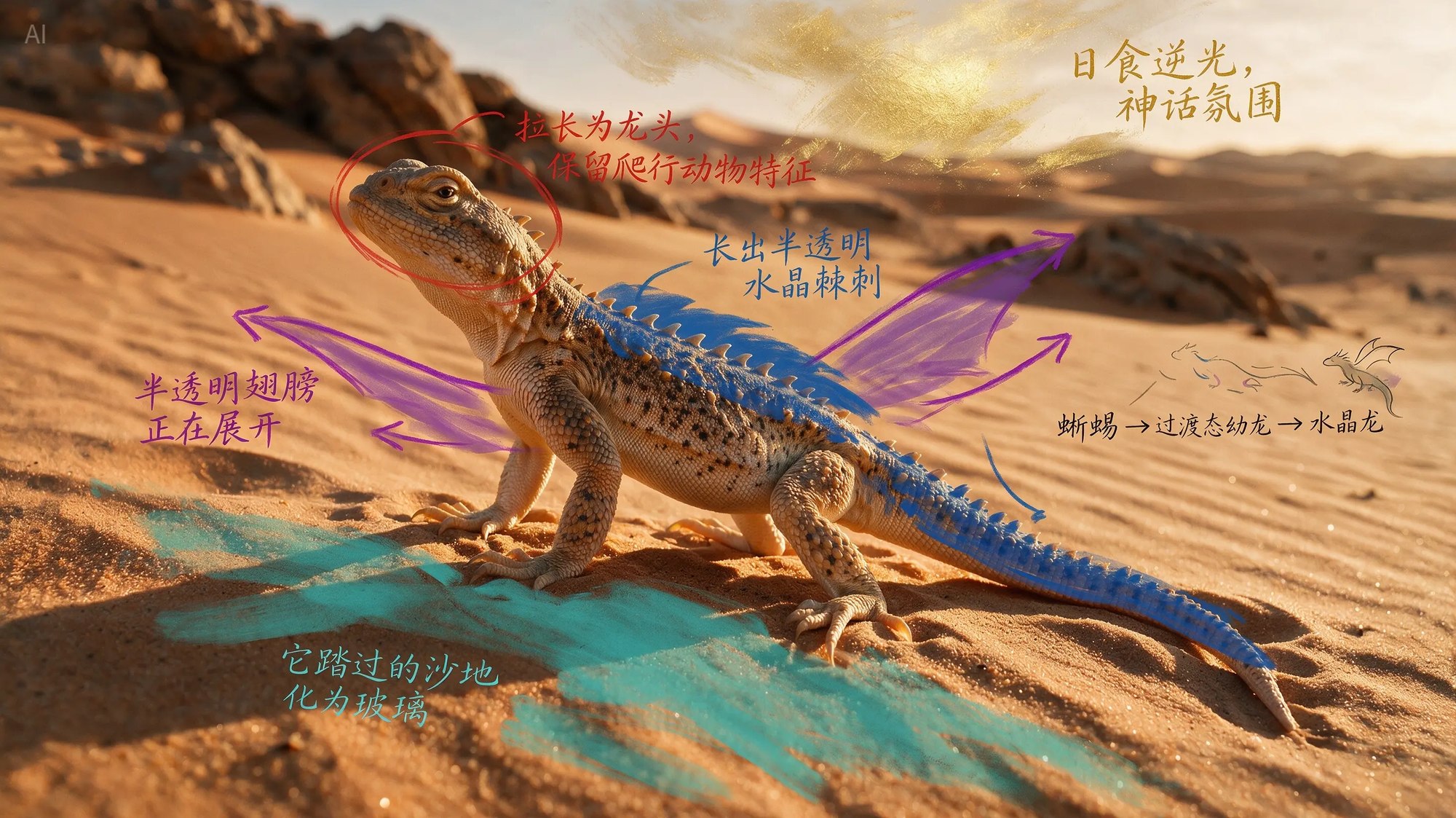
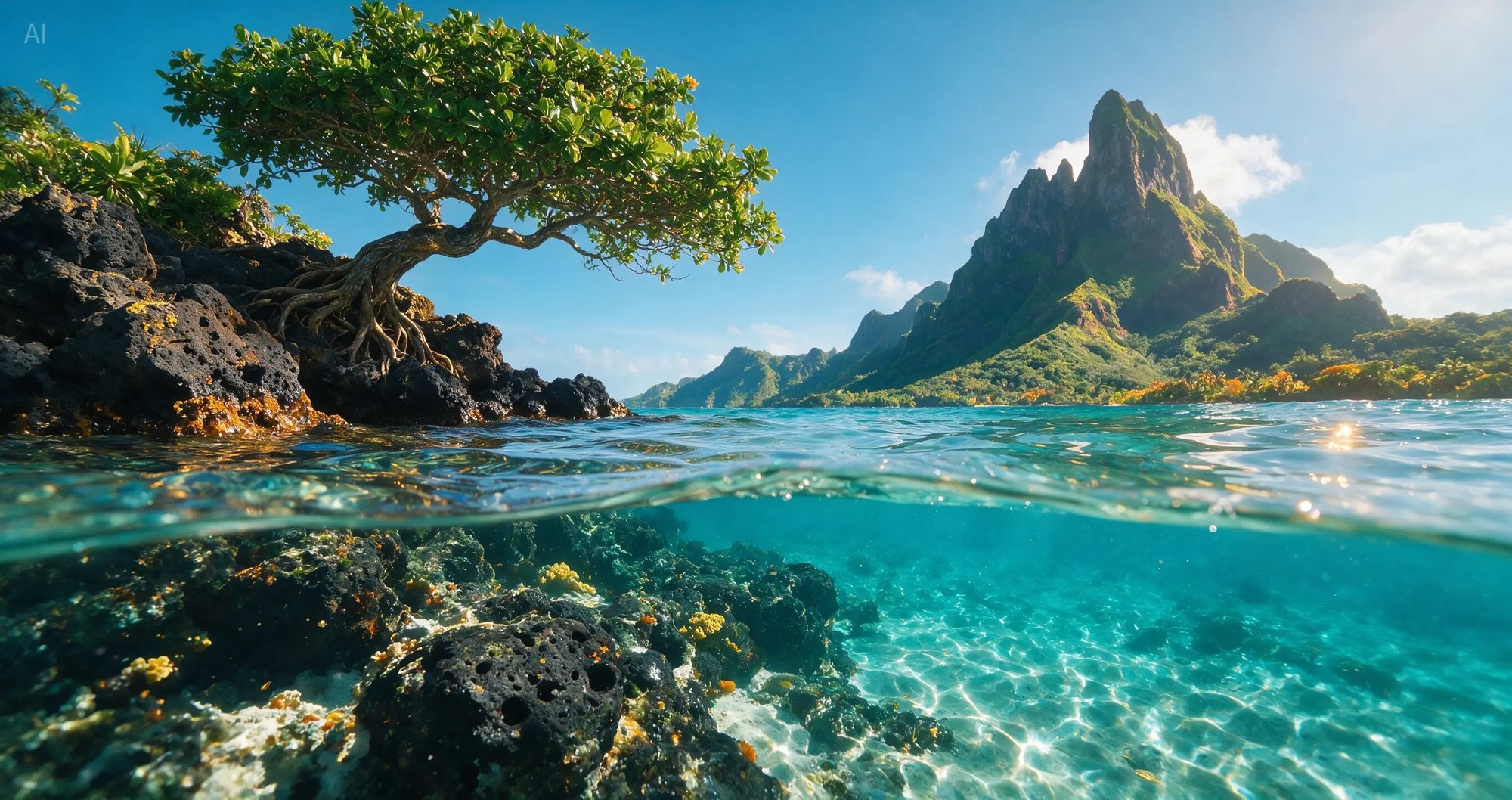
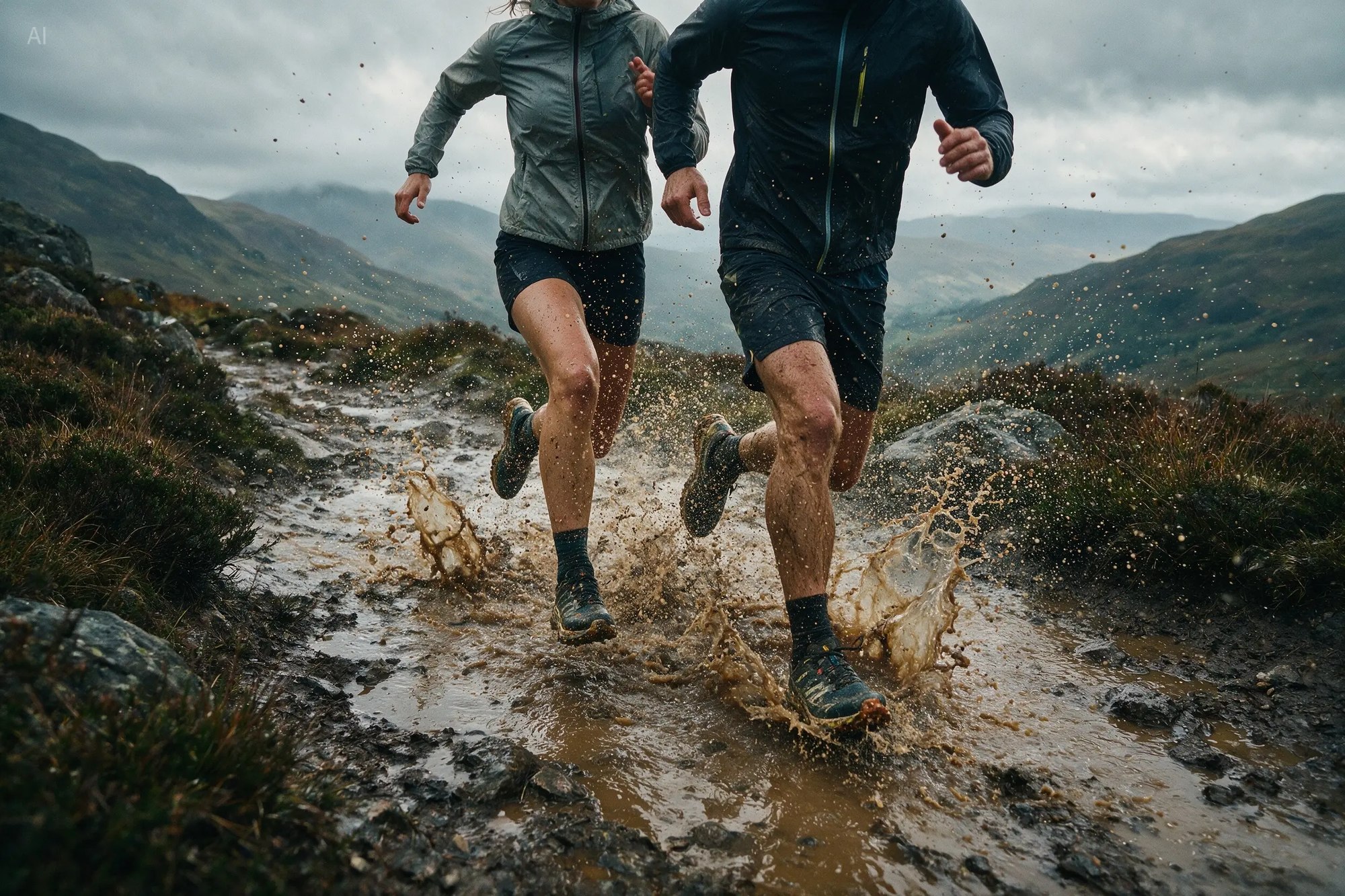
Beyond the demos in this article, ByteDance Seed's project homepage puts up a batch of its own cases, spanning realistic photography, illustration, character design, UI and landscape hero shots — a wider ability spread than this article shows. A few are placed below; if you're curious, click through to browse the full case wall.

Infographic generation is one of the highest-complexity domains in AI image generation today. It demands that the model, in a single pass, simultaneously handle data accuracy, error-free dense text, sound layout structure and professional aesthetics. ByteDance Seed · Seedream 5.0 Pro Launch